AI, digital systems make water management smarter and more efficient


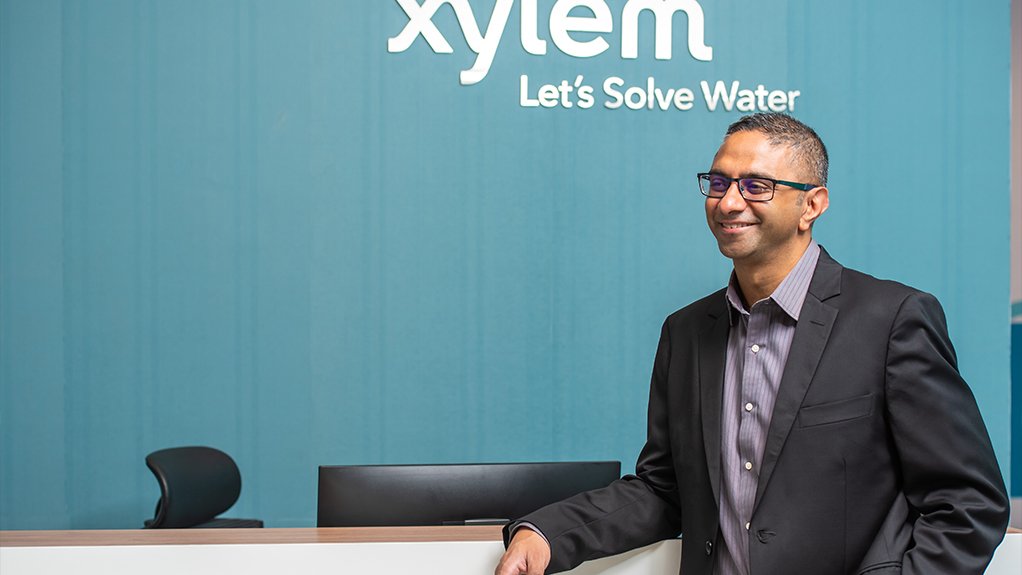
CHETAN MISTRY Smart meters have radically improved water distribution’s performance and efficiency, using digital technologies to gauge consumption and feed reliable data into water planning systems




While many water utilities already use digital monitoring and analytics to manage their operations, incorporating AI can build on these capabilities by identifying patterns in large datasets, enabling predictive insights and supporting more informed decision-making.
“The right combination of data and algorithms can produce astounding improvements in efficiency, speed and oversight for utilities,” says Xylem Africa strategy and marketing manager Chetan Mistry.
As a result, utility managers are taking note, with about 15% of large water utilities across the world using AI. According to the Xylem Water Technology Trends 2025 report, this is set to reach 30% by 2026 and by 2035, three-quarters of water utilities will use some form of AI.
With aging infrastructure, climate variability, and rising water demand placing increasing pressure on water systems, utilities are seeking more resilient and adaptive ways to manage operations, notes Mistry. Data-driven and AI-enabled tools are emerging as part of this broader digital water transformation.
Experts have good reason to be optimistic about AI adoption in the sector. Already, digital water management systems are producing excellent results. For example, UK-based Yorkshire Water Services, which uses Xylem Vue digital services, reported a reduction in visible leaks of 57% while still reducing yearly distribution main repairs by 30%.
Similar digital and AI-driven capabilities are also expanding into industrial water and wastewater operations, where predictive monitoring and process optimisation help improve compliance, reliability and resource efficiency.
“Such outcomes show the hidden capacity at every water management site,” says Mistry.
“Water distribution and treatment sites produce far more data than they use. But that data gets neglected because of capacity. It would take an enormous amount of time to organise and study the data for patterns and insights. Digital and AI systems are solving those problems. Digital systems record and share accurate and reliable data, which AI systems use to rapidly produce planning information, automation and other improvements.”
Water management sites use smart data and AI services in several ways, including real-time process adjustment. Water treatment is at its best when the system can maintain consistency – a laborious task since water flows keep changing. Intelligent water systems add information that adjusts processes such as reagent dosing and treatment line control in real time. Site operators define specific scenarios that automatically adjust operations using information from external technologies such as water management applications and business intelligence systems.
AI services can also predict conditions to manage demand and optimisation. Predictive maintenance systems rely on predictive analytics and AI-driven models, which use performance data and systems such as digital twins to anticipate maintenance conditions for equipment. Similar technologies have expanded to help water managers forecast demand, such as consumption peaks. They also optimise energy consumption by adjusting operations based on demand.
“Smart meters have radically improved water distribution’s performance and efficiency, using digital technologies to gauge consumption and feed reliable data into water planning systems. Advanced metering infrastructure (AMI) is the next step in that journey,” explains Mistry. AMI performs remote reading and integrates and processes information into AI systems, vastly reducing information intervals towards almost real-time monitoring and feedback.
Further, water utilities are using decision support systems (DSS) to inform real-time medium- and long-term planning and management. “DSS tools use AI to analyse large datasets and information from different disciplines, including data from hydrological and meteorological stations, expert knowledge, and local inputs. This analysis models different situations, from simulating water bodies to predicting usage patterns,” Mistry notes.
While these and other data-driven improvements sound attractive, utility and infrastructure managers are not always sure where to start.
Successful deployment depends on data quality, integration with existing infrastructure, and organisational readiness. Deploying digitisation can become complicated, which is why leading water technology original-equipment manufacturers develop and maintain extensive software platforms designed to meet water utility challenges.
“Companies such as Xylem invest substantially in developing water management platforms that are secure, simple to deploy and ensure that the data remains with the utility,” says Mistry. “They create interactive and customisable dashboards and reports, which authorised staff and contractors can access on-site through smart devices and computers.”
The real advantage of using data-driven water management platforms is not just in the new features. It enables utilities to leverage information they already have: “Data that does nothing only takes up space. But data made useful through cloud-based management software opens additional dimensions for planning and predictive actions such as maintenance,” he concludes.
Article Enquiry
Email Article
Save Article
Feedback
To advertise email advertising@creamermedia.co.za or click here
Research Reports
Projects


Latest Multimedia

Latest News

Showroom
CSIR International Convention Centre (CSIR ICC) - the leading conference and events venue in Pretoria/Tshwane.
VISIT SHOWROOM
Supplier & Distributor of the Widest Range of Accurate & Easy-to-Use Alcohol Breathalysers
VISIT SHOWROOM



Announcements
What's On
Subscribe to improve your user experience...
Option 1 (equivalent of R125 a month):
Receive a weekly copy of Creamer Media's Engineering News & Mining Weekly magazine
(print copy for those in South Africa and e-magazine for those outside of South Africa)
Receive daily email newsletters
Access to full search results
Access archive of magazine back copies
Access to Projects in Progress
Access to ONE Research Report of your choice in PDF format
Option 2 (equivalent of R375 a month):
All benefits from Option 1
PLUS
Access to Creamer Media's Research Channel Africa for ALL Research Reports, in PDF format, on various industrial and mining sectors
including Electricity; Water; Energy Transition; Hydrogen; Roads, Rail and Ports; Coal; Gold; Platinum; Battery Metals; etc.
Already a subscriber?
Forgotten your password?
Receive weekly copy of Creamer Media's Engineering News & Mining Weekly magazine (print copy for those in South Africa and e-magazine for those outside of South Africa)
➕
Recieve daily email newsletters
➕
Access to full search results
➕
Access archive of magazine back copies
➕
Access to Projects in Progress
➕
Access to ONE Research Report of your choice in PDF format
RESEARCH CHANNEL AFRICA
R4500 (equivalent of R375 a month)
SUBSCRIBEAll benefits from Option 1
➕
Access to Creamer Media's Research Channel Africa for ALL Research Reports on various industrial and mining sectors, in PDF format, including on:
Electricity
➕
Water
➕
Energy Transition
➕
Hydrogen
➕
Roads, Rail and Ports
➕
Coal
➕
Gold
➕
Platinum
➕
Battery Metals
➕
etc.
Receive all benefits from Option 1 or Option 2 delivered to numerous people at your company
➕
Multiple User names and Passwords for simultaneous log-ins
➕
Intranet integration access to all in your organisation